Why vitality programs often fail – and why cycling does work
Organizations have been investing in vitality for years. Gym memberships, workshops on workload management, mindfulness apps, and healthy snacks are now commonplace. Yet, the figures remain persistent: reducing absenteeism due to illness remains a serious challenge for employers, stress complaints are increasing, and employees feel exhausted more often than energized. How is this possible?

The answer is confronting but clear: many vitality programs are well-intentioned, but they don't adequately reflect human behavior. They demand motivation, discipline, and time—precisely the things that are scarce under high workloads. And so, gym memberships remain unused, enthusiasm fades after a few weeks, and little structural change occurs.
The problem: vitality as a separate project
Many initiatives approach vitality as a extra Besides work. Employees should exercise after work, attend a workshop, or discipline themselves to live a healthier lifestyle. This requires conscious choices on top of an already busy schedule.
In addition, many programs are missing:
- Social connection
- Continuity
- Measurable progress
- Fun and experience
Without these elements, sustainable behaviour change is virtually impossible.
Why cycling works differently
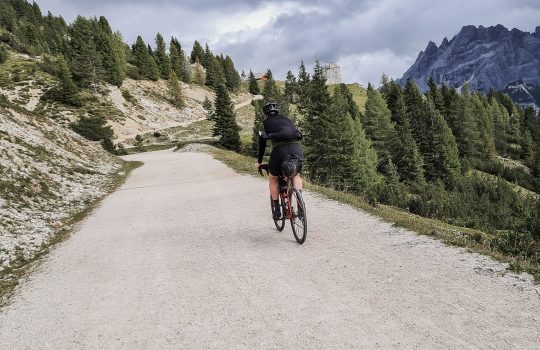
Cycling breaks this pattern. It's accessible, natural, and easy to integrate into your daily routine. No extra time, no gym, no complicated barriers.
Misuse:
- Past in commuting
- Suitable for almost any level
- Provides immediate physical and mental effects
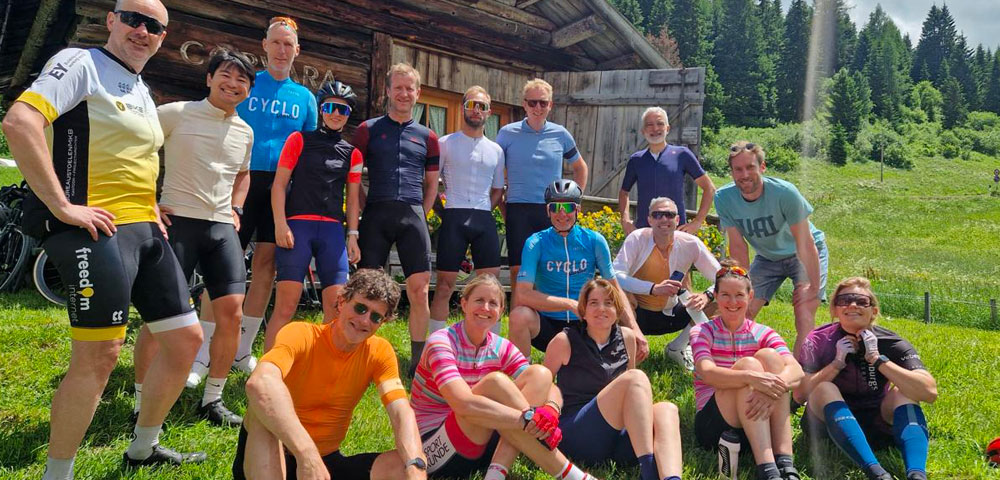
- Can be done individually or in a team
- Is easily measurable (kilometers, frequency, impact)
It is precisely this combination that makes cycling so powerful as a foundation for a vitality program.
Wheel-Being: from having to to wanting to
Wheel-Being was developed based on the idea that vitality only works if people Please By putting cycling centrally, the focus shifts from obligation to experience.
The program stimulates employees at several levels:
- Facilities that make cycling logical
- Challenges that motivate
- Social structures that connect
- Goals that are achievable and inspiring
Whether someone cycles to the office twice a week or trains for a sporting challenge: everyone can participate.
Behavioral change through structure
Where traditional programs are often optional, Wheel-Being offers structure:
- Clear periods (e.g. 30-day challenge)
- Tangible goals
- Visible progress
- Mutual involvement
This ensures that exercise becomes part of the work culture, rather than a temporary campaign.
Measurable results for employers
Vitality isn't a vague concept within Wheel-Being. Its impact is visible in:
- Lower absenteeism
- Higher energy and focus
- More involvement
- Better collaboration
- More positive employer branding
Research shows that every euro invested in preventive vitality pays for itself double and sometimes even fourfold.
Conclusion
Vitality programs don't fail because employees are unmotivated, but because the approach doesn't align with the realities of working life. Cycling does.
Wheel-Being makes movement natural, social, and fun. That's precisely why it works. Not as a standalone project, but as a lasting cultural shift.
Cyclosportive Travel helps employers to actually get employees moving. Wheel-Being gives organizations control over vitality – and employees the energy to grow.