10 tips for your first self-supported bikepacking adventure
This year is the day: you're going on a self-supported bikepacking eventYou might have cycled across the Netherlands with all your luggage, but there's always a village, café, or bed & breakfast nearby. In a truly remote adventure, that's a luxury. You have to bring everything you need and arrange it yourself. To make your experience unforgettable and safe, these ten tips will help you get started.
1. Choose the right bike
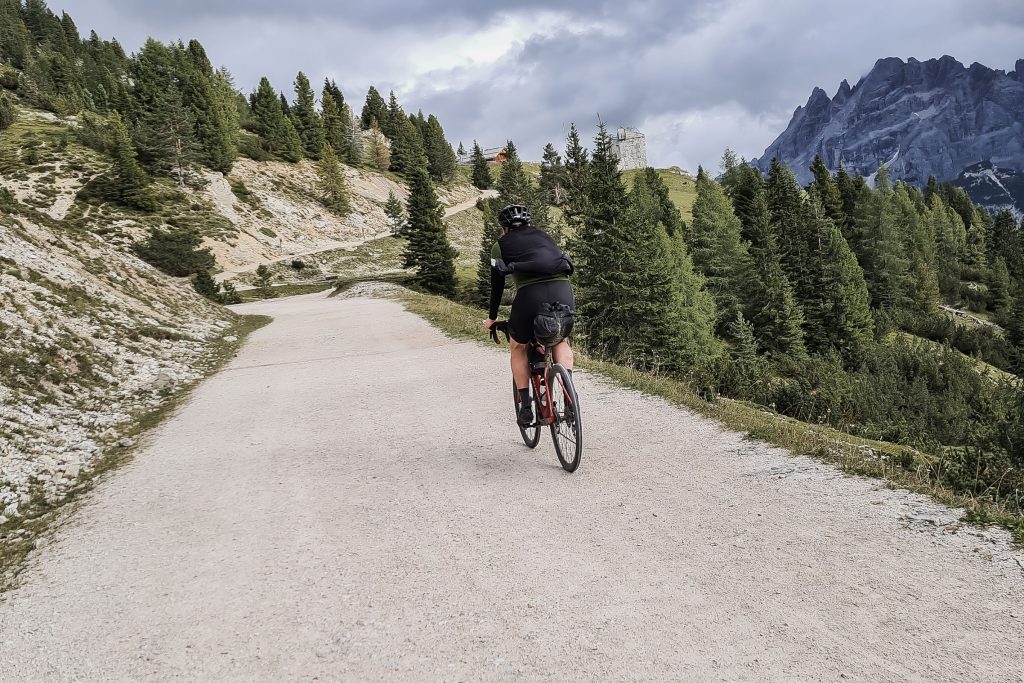
Your bike will be your best friend over the next few days. For bikepacking, an all-road or gravel bike is ideal: sturdy enough for unpaved paths, yet light enough for long distances. Wide tires of at least 40mm provide comfort and grip, while tubeless tires reduce the risk of punctures. Test your bike fully loaded before you set off to make sure everything is in order.
2. Distribute your luggage wisely
A well-distributed load makes the difference between a comfortable ride and a nightmare. Use frame, handlebar, and saddlebags, and make sure your belongings are securely fastened. Place the heaviest items close to your bike's center of gravity. This will keep it stable, even on steep hills and rough trails.
Also read: How to prepare for a multi-day cycling trip
3. Think about water and food
In the wilderness, stores are scarce. Expect to need at least 2 liters of water per day, and bring a filter or purification tablets in case you encounter rivers or lakes. Food should be nutritious and light: nuts, energy bars, and dried fruit are ideal, but a small pasta or rice meal in the evening can do wonders for your energy.
4. Prepare for overnight stays
Self-supported camping often means camping in the wild. An ultralight tent or bivvy sack is easy to carry and quick to pitch. Check the climate and choose a sleeping bag suitable for nighttime temperatures. Find a safe spot, out of sight, protected from wind and rain. This way, sleeping in the wilderness becomes an experience instead of an inconvenience.
Also read: 10 handy tips for cycling in the mountains
5. Navigation is essential
Getting lost is not an option. A GPS or bike computer with preloaded routes is essential. But don't forget a paper map and compass as a backup. A phone with a power bank helps, and for areas without coverage, a satellite communicator can be a lifesaver.
6. Learn to repair on the go
In the wilderness, there's no one to fix your flat tire or chain problem. Make sure you have a multi-tool, tire levers, spare tubes, and a pump. Practice changing a flat tire, lubricating the chain, and adjusting the brakes beforehand. That way, you won't be faced with any surprises.
7. Test your setup on longer rides
Practice makes perfect. Do a few multi-day rides fully loaded. This way, you'll see if everything fits comfortably, if your food and water are properly distributed, and if your bike's mechanics are reliable. It's easier to spot minor problems at home than in the middle of the wilderness.
Also read: Setting goals for a Granfondo
8. Plan for the unexpected
Weather conditions, route problems, or equipment failures are all part of the experience. Plan ahead: bring a small first aid kit, a rain jacket, extra food, and tools. Being prepared means you can stay flexible and your adventure won't be abruptly ended by something minor.
9. Train your body and mind
Self-supported bikepacking requires endurance, but also mental strength. Long days in the saddle can be demanding, especially in remote areas. Learn to stay calm and focused, enjoy the silence, and be prepared to respect your own limits.
10. Enjoy the freedom
The best thing about a self-supported adventure is the absolute freedom. No schedules, no hotels, no shops. Just you, your bike, and the nature around you. Let go of the stresses of everyday life and immerse yourself in the landscape. The challenges along the way make the reward all the greater.
Conclusion:
A self-supported bikepacking event is a completely different experience than a weekend cycling through the Netherlands. With a good bike, smart luggage management, sufficient water and food, a safe place to sleep, and the right mental preparation, you can make your adventure a success. It requires planning and self-reliance, but the freedom and satisfaction you gain are unparalleled.
Also read: CYCLOsportive Adventure: Expedition Dolomites