What role does sports podiatry play in preventing cycling injuries?
CYCLOsportive spoke with podiatrist Annette Bentink, affiliated with the Jeroen Bosch Hospital Sports Medical Center, to answer this question.
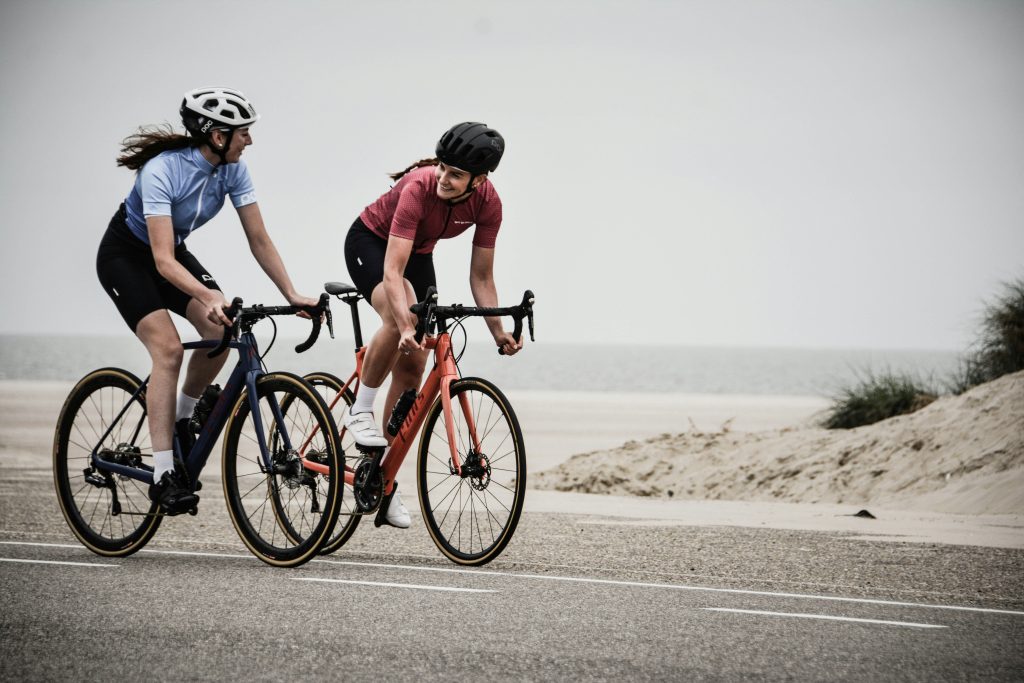
CyclingFit XL is a support program for all cyclists, gravel riders, and mountain bikers, from recreational cyclists to (semi-)professionals. Healthy exercise and performance on the bike for everyone—that's the goal! With the Wielerfit XL team, the Sports Medical Center of the Jeroen Bosch Hospital offers optimal care, advice, and support for cyclists at every level. We spoke with Annette Bentink, Director and Sports Podiatrist at Podotherapie in Beweging, about foot and ankle complaints in cyclists.
A good bike ride starts with the right foundation: your feet. Sports podiatrist Annette Bentink explains how a professional analysis of your feet, shoes, and cleats can prevent or resolve complaints. From pressure measurements to custom-made insoles, this article will help you discover how sports podiatry works, the role of shoes and insoles, and practical tips you can implement yourself. This way, you'll cycle comfortably and injury-free, regardless of your level or distance.
What exactly does a sports podiatrist do for cycling complaints?
Annette: We always begin with an intake interview to assess the cyclist's complaints and athletic history. This is followed by a comprehensive physical examination of the feet, knees, hips, and back. Next, we analyze the cycling movement pattern using methods such as pressure measurements or video analysis. Based on this, we can recommend custom-made or 3D-printed insoles and check whether the cleats are properly adjusted.
How important are shoes and cleats for preventing complaints?
Annette: Very important. An incorrectly placed plate can cause excessive pressure on the forefoot or incorrect rotation in the knees and hips. With well-fitting shoes and proper support, many problems can be prevented. We work with Lake cycling shoes, which have various widths and styles, so wider feet also fit comfortably.
Are there any tips that cyclists can apply themselves to prevent complaints?
Annette: Definitely. For example, roll your feet with a massage ball, strengthen your calves, and work on core stability. Check your cleats regularly and replace worn-out shoes. And listen to your body: pain or tingling are signals that something isn't right.
Do you have a lot of experience with cycling yourself?
Annette: "Yes, I also cycle long distances and multi-day events like the Africa Classic in Tanzania. That experience helps me understand what athletes feel and what challenges they face, so I can give them practical tips that they can actually use."
What advice would you give to cyclists who suffer from recurring foot problems?
Annette: Don't keep cycling with pain for too long. With the right adjustments, you can often cycle pain-free again and fully enjoy your rides. That's what we at Podotherapie in Beweging stand for.
Podotherapie in Beweging works together with CyclingFit XL and the Sports Medical Center of the Jeroen Bosch Hospital. Cyclists can make an appointment directly or be referred by a physiotherapist, sports physician, or chiropractor.
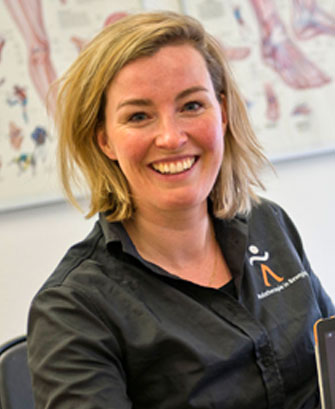
Annette Bentink
Age: 43 Years
Occupation: Sports podiatrist since 2011
Background: Have always been sporty, played korfball for 25 years as a youth, then half marathons, ¼ triathlon, cycling and mountain bike tours up to the Africa Classic.
How many hours per week do you spend on your bike: 5.5 hours per week at the moment until a new goal is set, then this will increase again.