How to prevent foot injuries on the bike?
CYCLOsportive spoke with podiatrist Annette Bentink, affiliated with the Jeroen Bosch Hospital Sports Medical Center, to answer this question.
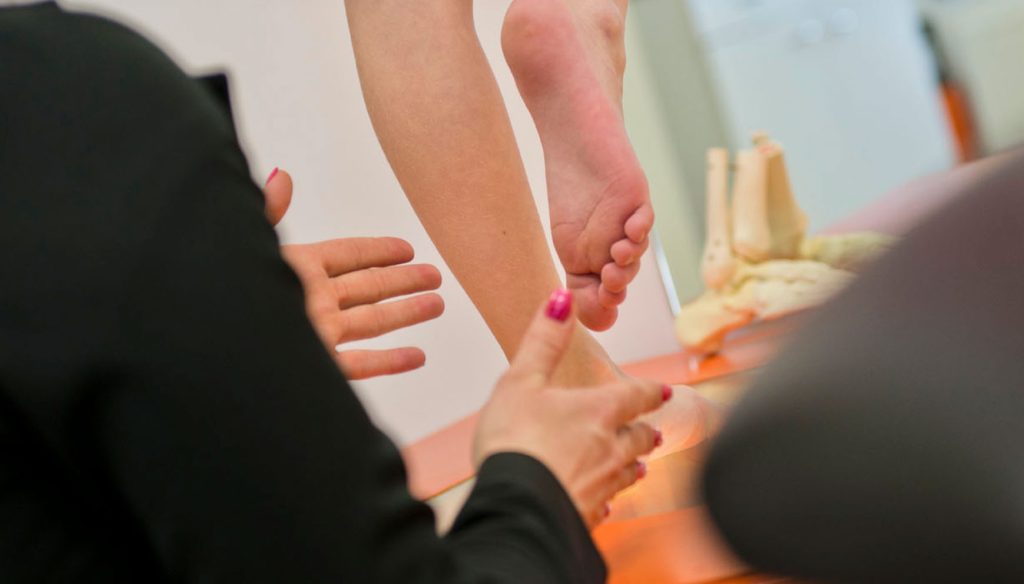
WielerFit XL is a support program for all cyclists, gravel riders, and mountain bikers, from recreational cyclists to (semi-)professionals. Healthy exercise and performance on the bike for everyone—that's the goal! With the Wielerfit XL team, the Sports Medical Center of the Jeroen Bosch Hospital offers optimal care, advice, and support for cyclists at all levels. We spoke with Annette Bentink, Director and Sports Podiatrist at Podotherapie in Beweging, about foot and ankle complaints in cyclists.
Cycling is wonderful, but prolonged pedaling can sometimes cause discomfort that extends beyond your feet. Many road cyclists and mountain bikers experience symptoms such as burning in the balls of their feet, painful ankles, or even tingling in their toes. In this article, we speak with sports podiatrist Annette Bentink about the most common foot and ankle complaints, how they arise, and what you can do to prevent them. Whether you're a beginner or an experienced cyclist, recognizing the signs and taking timely action can make the difference between painful rides and optimal cycling enjoyment.
What foot and ankle complaints do you most often encounter among cyclists and mountain bikers?
Annette Bentink: “The complaints we see most often are numb toes, Morton's neuralgia, burning forefeet, painful Achilles tendons, a tense or painful plantar fascia under the foot, and ankle pain due to improperly adjusted pedals. This can be caused by nerve compression in the forefoot. Knee, hip, or back pain often also arise, because the foot forms the basis of the pedaling motion.
How do these complaints usually arise? Is it related to shoes, posture, or stress?
Annette: Cycling shoes are often on the narrow side. On long rides with a lot of pressure, this can lead to strain or pinched feet. A small adjustment to the cleats, a different shoe size, or a supportive insole can make a big difference. Furthermore, good posture is essential: if the force isn't transferred correctly from the feet to the pedals, problems in the knees, hips, and back can develop over time.
Do you see differences between beginners and experienced cyclists?
Annette: Foot and toe problems are more common among beginning cyclists. This is often due to inexperience, but also to shoes that don't fit properly or incorrectly adjusted cleats. Saddle pain and tingling in the hands are also common complaints. Beginners need to get used to the 'closed chain' of pedals, saddle, and handlebars. It's important that they take pain or tingling seriously—it's simply not part of cycling.
What's your advice for beginning cyclists?
Annette: “Have a professional bike fit, check your cleats, gradually increase your weight and pay close attention to any signs of pain or tingling. It is better to act preventively than to ignore complaints and therefore lose the pleasure of cycling”
Podotherapie in Beweging works together with CyclingFit XL and the Sports Medical Center of the Jeroen Bosch Hospital. Cyclists can make an appointment directly or be referred by a physiotherapist, sports physician, or chiropractor.
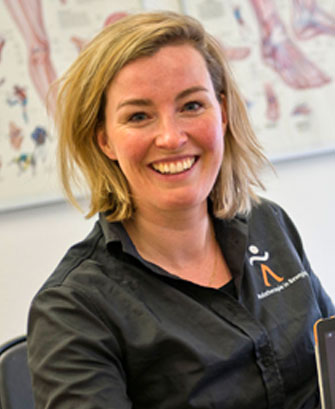
Annette Bentink
Age: 43 Years
Occupation: Sports podiatrist since 2011
Background: Have always been sporty, played korfball for 25 years as a youth, then half marathons, ¼ triathlon, cycling and mountain bike tours up to the Africa Classic.
How many hours per week do you spend on your bike: 5.5 hours per week at the moment until a new goal is set, then this will increase again.