Bikepacking in Ireland: discover the ultimate cycling route through the rugged west before everyone discovers this gem.
Are you looking for a bikepacking adventure that feels like an expedition, without traveling thousands of kilometers? Then the west coast of Ireland is the destination where endless coastal roads, deserted mountain passes, and authentic pubs come together in an unforgettable cycling trip.
Anyone who has cycled through Ireland once understands why so many adventurous cyclists return time and again. Here, it is not about the highest mountains or the toughest climbs, but about the total experience. Narrow roads wind along steep cliffs, sheep regularly decide who gets the right of way, and behind every bend awaits a view that makes you spontaneously stop for a photo. For bikepackers, Ireland is one of the most underrated destinations in Europe.
Why the west coast of Ireland in particular?

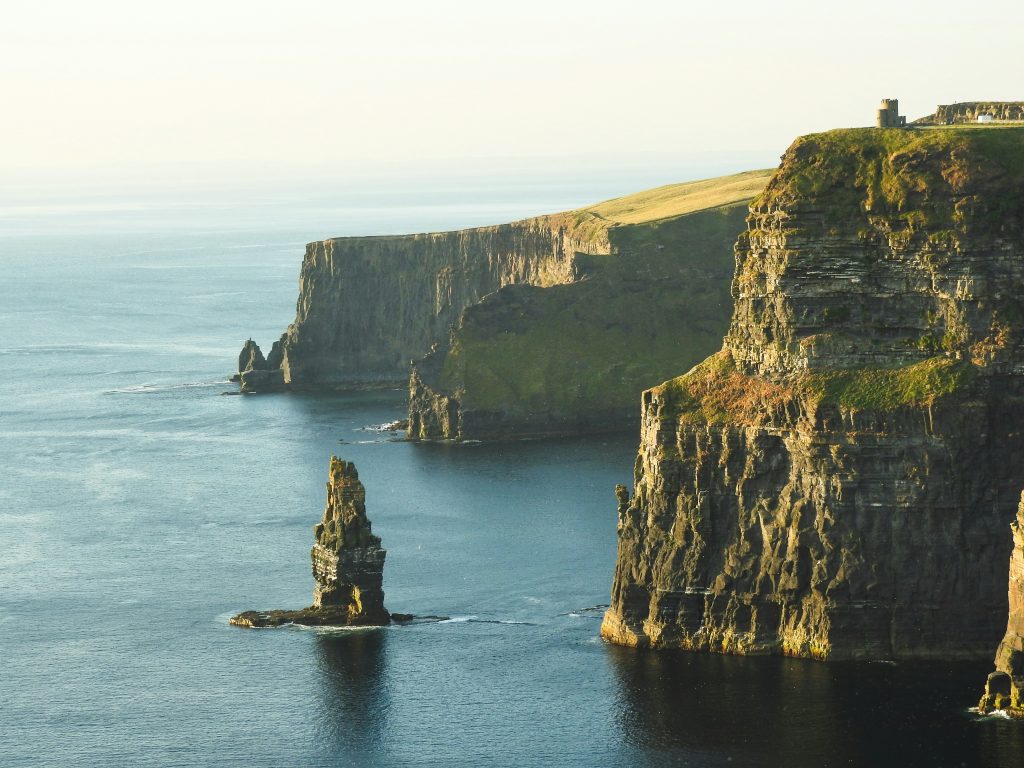
Although all of Ireland invites you to discover it by bike, the Wild Atlantic Way The absolute hotspot for a multi-day bikepacking adventure. This coastal route, over 2,500 kilometers long, runs from the northwest deep into the south and connects virtually all the spectacular landscapes that have made Ireland famous.
For cyclists, four regions stand out in particular: Donegal, Connemara, County Mayo, and Kerry. Here, deserted coastal roads, rugged mountain passes, peat fields, and colorful fishing villages constantly alternate. Unlike in many popular cycling areas in Southern Europe, you often encounter hardly any traffic for hours on end along the way. That sense of freedom is precisely why so many bikepackers fall in love with Ireland.
The roads are generally well-maintained, but narrow. Cars generally drive slowly and are accustomed to cyclists, although it remains wise to drive defensively on the smallest back roads.
The most beautiful route: Connemara to Kerry
Many experienced bikepackers consider the route from Connemara towards County Kerry to be the most beautiful part of the Wild Atlantic Way. You set off among the barren mountains of Connemara, ride past deserted lakes, and slowly cross over to the southwest, where the famous Ring of Kerry and the Dingle Peninsula await.
Along the way, you pass beaches with clear blue water that are more reminiscent of the Caribbean than Ireland. The combination of rugged ocean cliffs, green hills, and constantly changing skies ensures that no two cycling days feel the same.
The is highly recommended Gap of Dunloe, a narrow mountain pass where cars have hardly any room and cyclists blend completely into the landscape. Also the Connor Pass Dingle is one of the most beautiful climbs in Ireland. Here you climb upwards between steep rock faces before the road opens up towards the Atlantic Ocean.
How do you get to Ireland by bike?
For Dutch and Belgian cyclists, there are several ways to reach Ireland. The fastest option is to fly to Dublin, Cork, or Shannon. Almost all major airlines offer the option to take a bicycle with you in a bike case or sturdy bike box. From Dublin, you can easily travel by train or rental car to the west coast, where the adventure begins.
Those who prefer a more relaxed way to travel choose the ferry. Several companies sail directly from France to Ireland, while you can also make the crossing from the Netherlands via England. A ferry trip takes more time, but offers the advantage that you can take all your bikepacking gear with you without restrictions.
If you are still undecided between a fully self-organized trip or support along the way, take a look at the article about cycling tours help out on Cyclosportive Travel. For example, read more about everything you need to know about a cycling trip with CYCLOsportive. Or discover the possibilities of the trips that we can tailor entirely for you.
The weather is part of the adventure.
Every Irishman will say the same thing: wait five minutes and the weather will change on its own. That is precisely why good rain gear should be a standard item in every bikepacking bag. At the same time, the rapidly changing weather conditions create spectacular skies and an unparalleled atmosphere on the road. A rain shower can give way to bright sunlight within minutes, illuminating the green hills. The best time to discover Ireland by bike runs from May through September. In June and July, the days are extremely long, allowing you to cover many kilometers without rushing.
Local delicacies you shouldn't miss along the way
A bikepacking trip isn't just about cycling. It is the local cuisine that makes a long journey extra special. After a wet day of cycling, a traditional Irish Stew Better than ever. This slow-cooked stew with lamb, potatoes, and vegetables is available in almost every pub.
Also seafood chowder, a creamy fish soup full of fresh shellfish, is a classic along the west coast. In fishing villages, the fish is often brought ashore the very same morning.
Many cyclists have freshly baked for lunch brown soda bread, often served with smoked salmon or local cheeses. And anyone who needs energy for the next climb can hardly resist a piece of homemade apple tart topped with whipped cream. End the day with a locally brewed stout or a glass of Irish whiskey, but naturally only when the bike is safely parked.
Typical Irish customs that make every cyclist happy
One of the biggest surprises for many visitors is the friendliness of the Irish. Greeting people along the way is a matter of course. A brief hand gesture to oncoming cyclists or motorists is almost always returned.
Pubs function not only as a café, but also as a meeting place for the entire village. It is quite normal for strangers to strike up a conversation as soon as they hear you are cycling through Ireland. Before you know it, you are getting tips on hidden beaches, quiet roads, or a stunning view that isn't in any travel guide. Haste hardly seems to exist in Ireland. That relaxed pace is infectious and fits perfectly with the rhythm of a multi-day bikepacking trip.
Prepare your bikepacking adventure well
Although Ireland is relatively accessible, the landscape does require good preparation. Due to the constant changes in elevation, altitude gain accumulates unnoticed. Additionally, supermarkets in remote areas can sometimes be tens of kilometers apart.
Therefore, check your food and drink supplies daily and plan your overnight stays well in advance when traveling during the high season.
For those heading out on their own for the first time, it is wise to read the practical tips from the article beforehand. 10 tips for your first self-supported bikepacking adventure to review via . If you are looking for inspiration closer to home first, the overview of cycling in the Benelux a nice stepping stone.
Why every bikepacker must experience Ireland at least once
Ireland offers something that is becoming increasingly rare in Europe: space, silence, and the feeling that you are truly on an adventure. The combination of deserted coastal roads, spectacular scenery, hospitable locals, and a rich culture makes every stage special.
While you regularly encounter large groups of road cyclists in many well-known cycling areas, Ireland still feels authentic and unspoiled. That is precisely what makes a bikepacking trip along the Wild Atlantic Way so memorable. You not only cycle through an impressive landscape, but also experience a way of traveling where the destination becomes almost secondary to everything you encounter along the way.